


10 Most Burning Homeschooling Questions Answered
Homeschooling is becoming one of the fastest growing education choices for families around the world. Many parents are now exploring flexible and personalized learning options that help children grow academically, emotionally, and socially.
At Broadway Homeschooling, we often hear common questions from parents who are curious about how homeschooling works and whether it is the right choice for their child.
In this blog, we answer the 10 most burning homeschooling questions parents ask before starting their journey.
1. Is Homeschooling Effective?
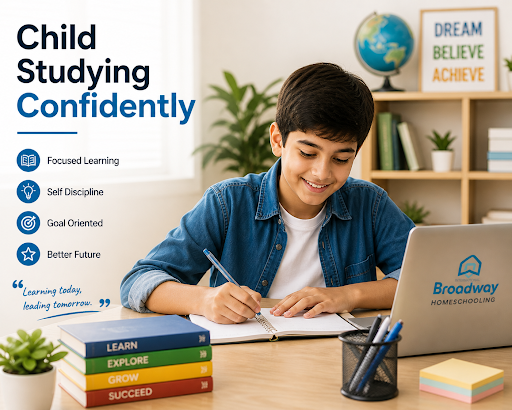
Yes.
With the right CBSE Mapped and Cambridge curriculum, structure, and academic support, homeschooling can be highly effective. Many children learn better through personalized attention and flexible learning methods. Instead of learning in large classrooms with constant comparison, homeschooled students can study at their own pace and focus on deeper understanding.
Broadway Homeschool helps students follow internationally recognized learning pathways while building confidence, creativity, and independent thinking.
Related Link
Explore our CBSE Mapped and Cambridge curriculum programs at: https://www.broadwayhomeschool.com
No.
This is one of the biggest concerns parents have — but also one of the biggest misconceptions about homeschooling. Broadway Homeschooling does not limit social interaction; it changes how children socialize.
Instead of being restricted to the same classroom every day, homeschooled students interact in more meaningful and diverse environments through:
- Communities and group activities
- Virtual language clubs
- Outbound training programs
- Global meetups
- Virtual skill development sessions
- Public speaking opportunities
These experiences help children build real-world communication skills, confidence, teamwork, and the ability to connect with people from different backgrounds. In fact, many homeschooled children become more confident speakers, better communicators, and more socially aware because their interactions are intentional, not forced.
Social growth is not about the number of people a child meets — it’s about the quality of interactions they experience.
3. Is Homeschooling Recognized?
Yes. Many homeschooling programs follow internationally recognized curricula such as Cambridge International Education.
At Broadway Homeschooling, students follow structured academic pathways designed to meet global education standards while allowing flexibility in learning.
This gives parents confidence that their child receives quality education with future academic opportunities.
4. Can My Child Go to University Later?
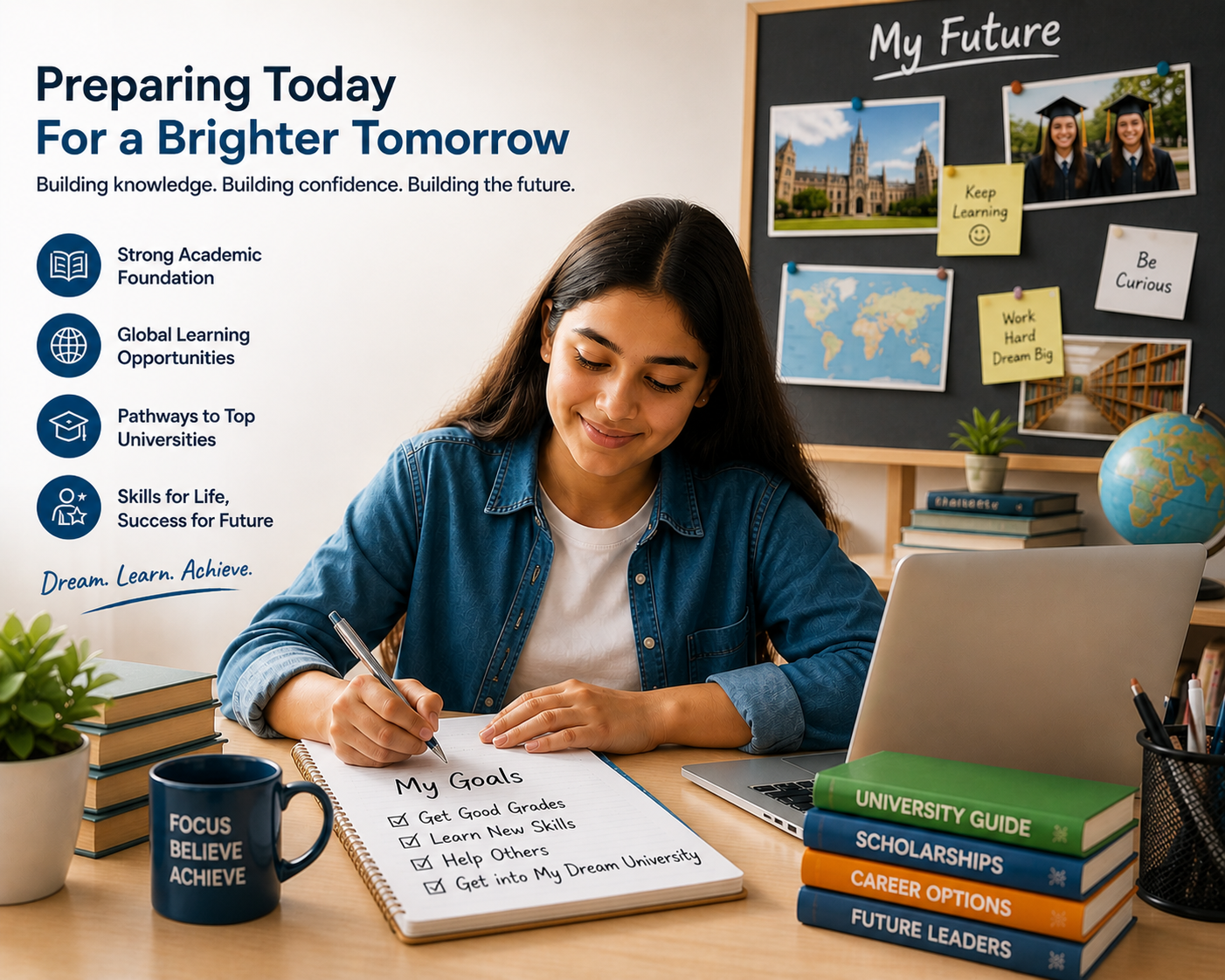
Absolutely.
Homeschooled students can pursue higher education depending on the curriculum, academic performance, and pathway they choose.
Many universities worldwide accept students from recognized homeschooling and international curriculum backgrounds.
The key is choosing a structured program that supports both academic growth and future readiness.
5. Do Parents Need to Teach Everything?
No. Parents are not expected to become full time teachers.
Structured homeschooling programs provide everything needed for effective learning, including:
- Lesson plans
- Learning resources
- Academic guidance
- Curriculum support
- Assessments and progress tracking
At Broadway Homeschool, students receive continuous support throughout their learning journey, making homeschooling more organized, manageable, and effective.
6. How Many Hours Should My Child Study?

Homeschooling usually focuses on quality learning rather than long hours.
The number of study hours depends on:
- The child’s age
- Curriculum level
- Learning pace
- Academic goals
In many cases, focused and distraction free learning helps children complete studies more efficiently compared to traditional classrooms.
Because learning is personalized, children often have more time for creativity, hobbies, and skill development.
7. Will My Child Become Disciplined?
Yes, when homeschooling follows a structured routine.
Children learn responsibility, self management, and consistency through:
- Daily schedules
- Goal setting
- Independent learning habits
- Time management
Over time, many homeschooled students become more organized and self-Directed learners.
Suggested Internal Link
8. Is Homeschooling Only for Weak Students?
Not at all.
Homeschooling is chosen by families for many different reasons, including:
- Flexible learning
- Personalized education
- Reduced academic pressure
- Better focus and concentration
- Skill based learning
- Access to international curricula
In fact, many academically strong students choose homeschooling to go beyond traditional learning and create a more balanced and meaningful education.
They often spend fewer hours on academics with better focus and efficiency, and use the rest of their time to develop their passions such as:
- Chess
- Football
- Gymnastics
- Arts
- Entrepreneurship
- Skill development programs
Homeschooling gives children the freedom to grow not just academically, but also personally.
It also allows them to spend quality time with their parents, building stronger relationships and a more supportive learning environment.
Because education is not just about marks, it’s about helping a child discover their strengths and build a future they truly enjoy.
9. Can My Child Do Sports and Hobbies Too?
Children enjoying hobbies sports and creativity
Yes — and often with more flexibility.
Homeschooling allows children to spend more time exploring:
- Sports
- Music
- Dance
- Art and creativity
- Coding and technology
- Public speaking
- Leadership programs
Balanced education helps children grow beyond academics and discover their strengths and interests.
Suggested Internal Link
Education Beyond Academics — Why Skills Matter Today
10. How Do I Start Homeschooling?

Starting homeschooling becomes easier when you follow a clear process.
Step 1: Choose the Right Homeschooling Program
Look for a recognized curriculum and structured academic support.
Step 2: Understand Your Child’s Learning Needs
Every child learns differently. Personalized learning helps children grow confidently.
Step 3: Create a Structured Routine
Consistency, schedules, and balance help children stay focused and disciplined.
At Broadway Homeschooling, we guide parents through every step of the homeschooling journey.
Visit Us
Final Thoughts
Homeschooling is not about replacing school.
It is about changing how a child learns.
With the right support, curriculum, and environment, homeschooling can help children become:
- More confident
- More independent
- Better communicators
- Future ready learners
As education continues to evolve, many parents are now looking beyond traditional classrooms and exploring more personalized learning experiences.
If you are considering homeschooling for your child, Broadway Homeschooling can help you take the first step confidently.
2. Will My Child Miss Social Interaction?